
The aroma of freshly baked sourdough bread wafts through the air, inviting you to embrace its crusty exterior and soft, chewy interior. With each bite, the tangy flavor dances on your palate, creating a symphony of taste that is both comforting and indulgent.
I still remember the first time I pulled a warm loaf from the oven, the steam swirling around like a cozy hug. Whether it’s a lazy Sunday morning or a festive gathering with friends, this sourdough bread recipe is sure to elevate any occasion, promising an unforgettable flavor experience that will have everyone asking for seconds.
Why Is Sourdough Bread Recipe So Irresistibly Good?
Crusty exterior and tender interior: This sourdough bread features a delightful contrast that keeps you coming back for more.
Simple ingredients: With just flour, water, starter, and salt, you’ll appreciate how easily you can create something extraordinary.
Flavorful depth: The fermentation process enhances the taste, giving your loaf a complex and rich flavor profile.
Versatile uses: Perfect for sandwiches, toasting, or enjoying solo with butter, it’s an all-around crowd-pleaser.
Time well spent: While the prep may take a few hours, the rewarding aroma and delicious outcome make every minute worthwhile!
Sourdough Bread Recipe Ingredients
- 500 g bread flour – This is the foundation of your sourdough bread, providing structure and chewiness.
- 350 g water (room temperature) – Hydration is key; room temperature water helps activate the starter effectively.
- 100 g sourdough starter (active and bubbly) – A lively starter is essential for a flavorful rise in your Sourdough Bread Recipe.
- 10 g salt – Salt enhances flavor and strengthens gluten, resulting in a perfectly balanced loaf.
How to Make Sourdough Bread Recipe
1. Combine In a mixing bowl, combine 500 g of bread flour and 350 g of room temperature water. Mix gently until no dry flour remains, creating a shaggy dough.
2. Incorporate Add 100 g of your active and bubbly sourdough starter along with 10 g of salt. Mix until everything is fully incorporated, ensuring the salt is evenly distributed.
3. Rest Cover the bowl with a cloth and let it rest for 30 minutes. This step allows the flour to fully hydrate, enhancing gluten development.
4. Rise Let the dough rise at room temperature for 4 hours. During this time, fold the dough every 30 minutes to build structure and strength.
5. Shape Turn the dough out onto a floured surface and shape it into a round loaf. This step is essential for forming a beautiful crust and structure in your bread.
6. Proof Place the shaped dough into a floured proofing basket and cover it. Allow it to proof for another 2 hours, letting it rise until puffy and soft.
7. Preheat Preheat your oven to 450°F (232°C) with a Dutch oven inside. This ensures that your bread will have an ideal environment for baking.
8. Transfer Carefully transfer the dough into the hot Dutch oven, cover it with the lid, and bake for 30 minutes. The steam from the Dutch oven will help create that gorgeous crust!
9. Finish Remove the lid and bake for an additional 15 minutes until golden brown. You’ll know it’s ready when you see a beautifully colored crust that beckons you to slice in!
Optional: Sprinkle with flaky sea salt before serving for extra flavor.
Exact quantities are listed in the recipe card below.
Tips for the Best Sourdough Bread Recipe
- Active Starter: Ensure your sourdough starter is bubbly and active before use; a sluggish starter can lead to flat bread.
- Proper Hydration: Mix the water and flour thoroughly to avoid dry pockets; this ensures even fermentation and dough structure.
- Room Temperature Rise: Keep your dough at room temperature during bulk fermentation; cooler environments slow down rising, affecting texture.
- Gentle Folding: When folding the dough, be gentle to retain air bubbles; aggressive handling can deflate your hard-earned rise.
- Floured Surface: Use enough flour when shaping to prevent sticking; too much moisture can make it difficult to form a round loaf.
- Hot Dutch Oven: Preheating the Dutch oven is crucial for a crispy crust; don’t skip this step to avoid soggy bread in your sourdough bread recipe.
How to Store and Freeze Sourdough Bread Recipe
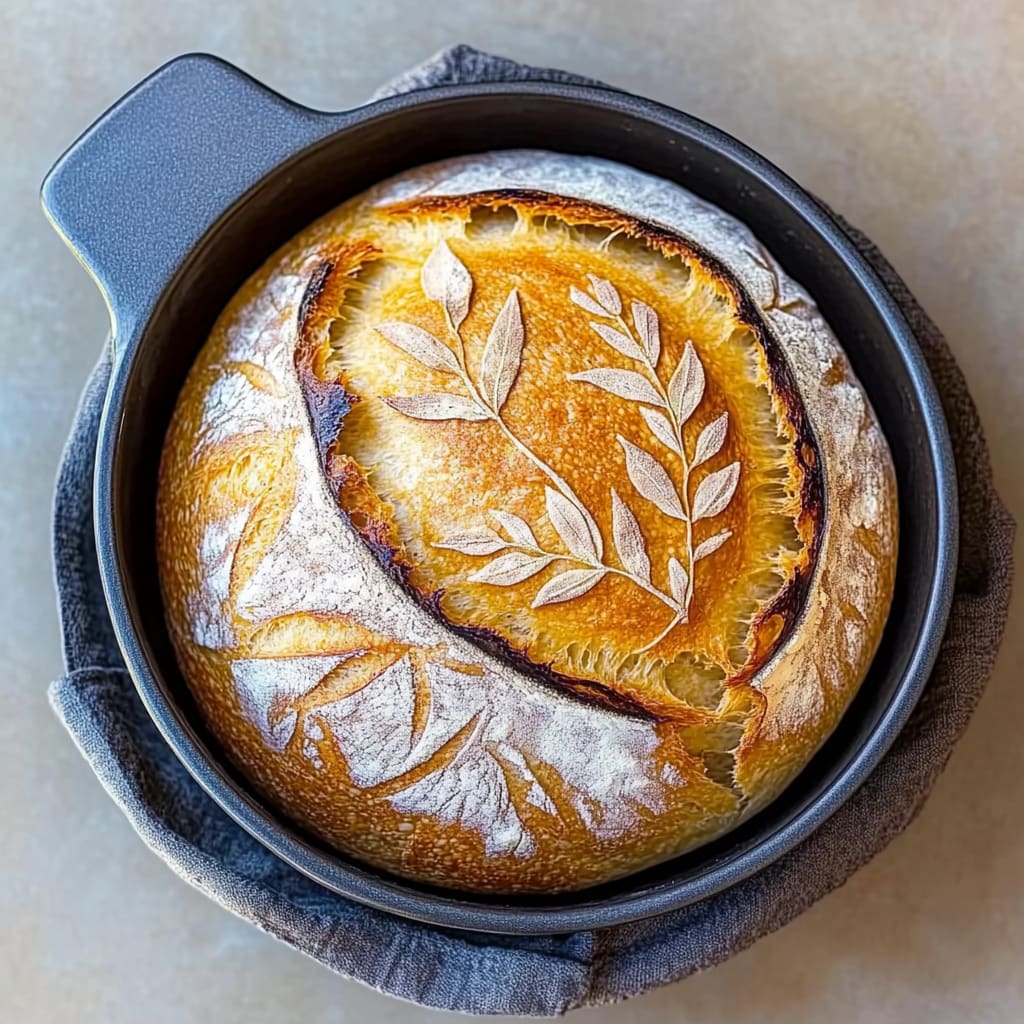
- Room Temperature: Keep your sourdough bread recipe in a paper bag or a bread box for up to 3 days. This allows the crust to remain crispy while preventing excess moisture.
- Fridge: If you need to store it longer, wrap it tightly in plastic wrap and place it in the fridge, where it can stay fresh for up to a week. Just know that refrigeration can affect crust texture.
- Freezer: For extended storage, slice the loaf and wrap individual pieces in plastic wrap, then place them in an airtight freezer bag. It stays good for up to 3 months.
- Reheating: To revive your sourdough bread recipe, pop slices directly into a toaster or warm them in a preheated oven at 350°F (175°C) for about 10 minutes. Enjoy that fresh-baked taste again!
Sourdough Bread Recipe Variations
Feel free to get creative and make this loaf your own with these delightful twists!
- Whole Wheat: Substitute half of the bread flour with whole wheat flour for a nuttier flavor and added fiber. This variation gives the bread a heartier texture, perfect for sandwiches or toast.
- Herb-Infused: Add 2 tablespoons of finely chopped fresh herbs like rosemary or thyme to the dough for an aromatic twist. The fragrant herbs elevate the loaf, making it ideal for pairing with olive oil or cheese.
- Seeded Crunch: Mix in 50 g of sunflower seeds or sesame seeds for a delightful crunch. These seeds not only enhance the texture but also add a subtle nutty flavor that complements the sourdough beautifully.
- Garlic & Cheese: Incorporate 2 cloves of minced garlic and 100 g of shredded cheese into the dough for a savory treat. This mouthwatering combo creates an irresistible aroma as it bakes, making it hard to resist slicing off a warm piece straight from the oven.
- Spicy Kick: Add 1 teaspoon of red pepper flakes to bring some heat to your loaf. This fiery addition can transform your bread into a flavorful companion for soups or stews, creating an exciting dining experience.
- Sweet Twist: Mix in 50 g of honey or maple syrup for a touch of sweetness. This variation yields a subtly sweet bread that pairs wonderfully with butter and jam, perfect for breakfast or brunch.
- Nutty Variation: Fold in 100 g of chopped nuts like walnuts or pecans for an earthy flavor boost. The nuts add both texture and richness, enhancing the overall taste of your homemade sourdough.
- Olive Oil Drizzle: Replace some water with 50 g of high-quality olive oil to create a richer dough. The result is a softer crumb and a slightly crispy crust that takes your sourdough to another level!
Make Ahead Options
Preparing this Sourdough Bread Recipe is a delightful way to meal prep for the week ahead. You can easily mix together the 500 g of bread flour and 350 g of room temperature water in advance, followed by incorporating the 100 g of active sourdough starter and 10 g of salt. After mixing, let it rest for 30 minutes before proceeding with the bulk fermentation stage, which can be completed up to 24 hours in advance. Once the dough has risen for about four hours, you can shape it into a round loaf and place it in the floured proofing basket. Cover it and let it proof for an additional two hours or refrigerate it for up to three days before baking. When you’re ready to enjoy your freshly baked sourdough, simply preheat your oven to 450°F (232°C) with the Dutch oven inside, transfer the dough into the hot pot, cover, and bake! This method not only saves you time but also ensures that your loaf retains its quality and flavor.
Sourdough Bread Recipe Recipe FAQs
What type of bread flour is best for this sourdough bread recipe?
Using a high-protein bread flour is ideal for this sourdough bread recipe. Look for flour with at least 11-12% protein content to ensure a strong gluten structure, which helps achieve that delightful crusty exterior and chewy interior.
How can I tell if my sourdough starter is active enough?
Your sourdough starter should be bubbly and have doubled in size within 4-6 hours after feeding. If it passes the “float test”—where a small spoonful of starter floats in water—it’s ready to use. This ensures your bread will rise beautifully!
What’s the best way to store leftover sourdough bread?
To keep your sourdough loaf fresh, store it at room temperature in a paper bag or wrapped in a clean kitchen towel. Avoid plastic as it traps moisture and can make the crust soggy. For longer storage, slice and freeze the bread, then toast slices directly from the freezer when you’re ready to enjoy them.
How do I fix a dough that doesn’t rise properly during fermentation?
If your dough isn’t rising as expected after the bulk fermentation (4 hours), it might be due to an inactive starter or cool room temperatures. Ensure your starter is bubbly and consider placing the dough in a warmer spot (around 75°F/24°C) for better results. If it still doesn’t rise, you can try adding an extra fold to incorporate more air.
Can I use whole wheat flour instead of bread flour?
Absolutely! You can substitute up to 50% of the bread flour with whole wheat flour for a nuttier flavor and added nutrients. Just keep in mind that whole wheat flour absorbs more water, so you may need to increase the hydration slightly by adding an additional 10-20 g of water.
How long does this sourdough bread stay fresh?
This sourdough bread stays fresh for about 2-3 days at room temperature when stored properly. If you want to enjoy it beyond that, freezing is an excellent option. Just wrap slices individually in plastic wrap or foil before placing them in an airtight container for up to 3 months!
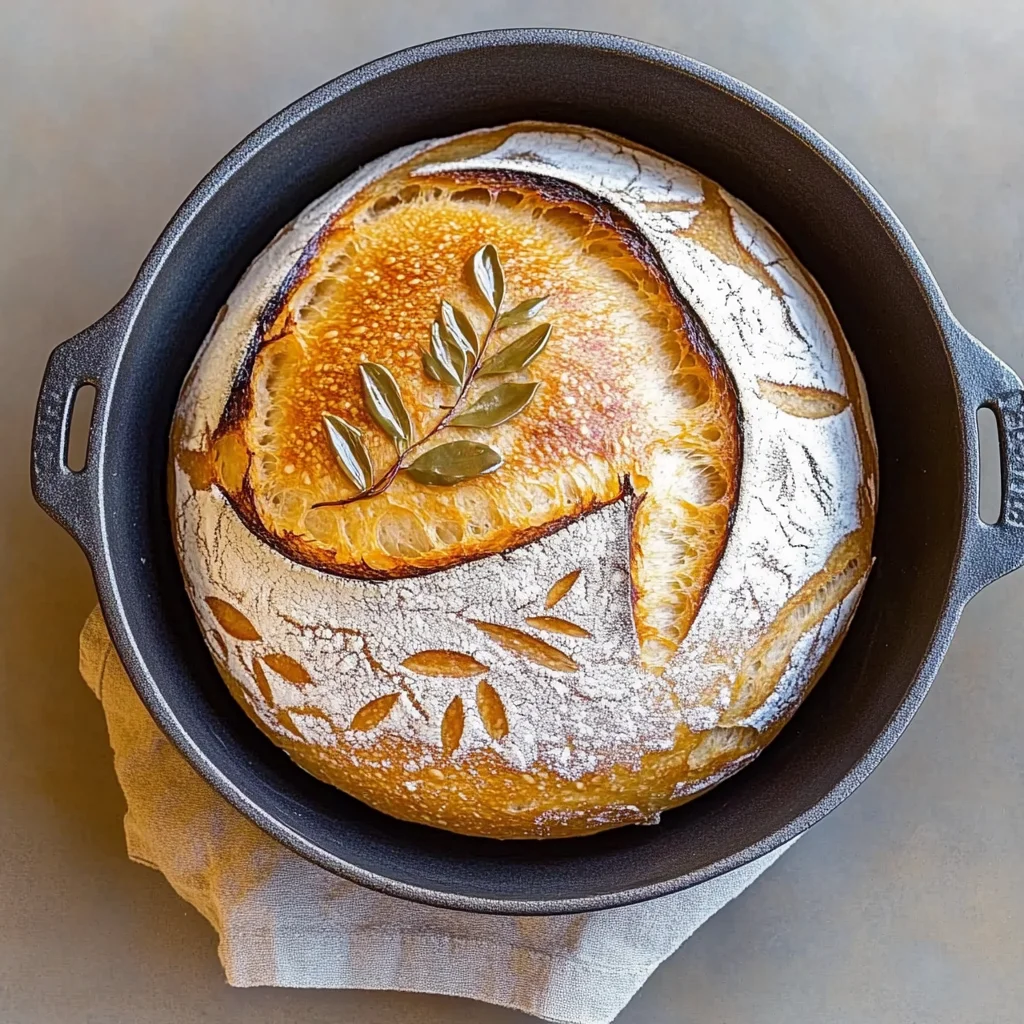
Sourdough Bread
Ingredients
Method
- In a mixing bowl, combine the bread flour and water. Mix until no dry flour remains.
- Add the sourdough starter and salt. Mix until fully incorporated.
- Cover the bowl and let it rest for 30 minutes.
- Let the dough rise at room temperature for 4 hours, folding it every 30 minutes.
- Turn the dough out onto a floured surface and shape it into a round loaf.
- Place the shaped dough into a floured proofing basket.
- Cover the dough and let it proof for 2 hours.
- Preheat the oven to 450°F (232°C) with a Dutch oven inside.
- Carefully transfer the dough into the hot Dutch oven, cover, and bake for 30 minutes.
- Remove the lid and bake for an additional 15 minutes until golden brown.