
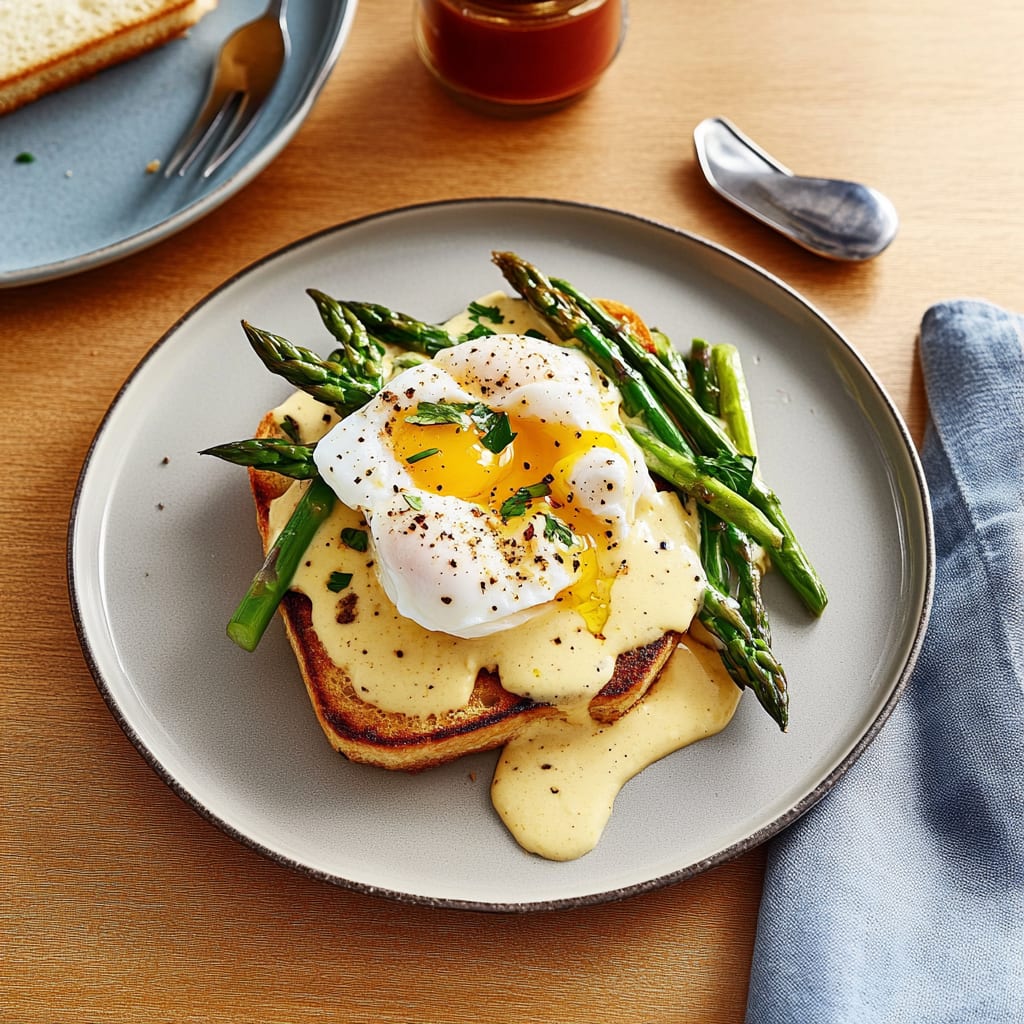
Imagine sinking your fork into perfectly poached eggs, their golden yolks oozing out like sunshine, mingling with the rich, velvety hollandaise sauce that dances on your palate. The tender asparagus adds a delightful crunch, creating a harmonious symphony of flavors that makes every bite unforgettable. This dish is not just a meal; it’s an experience, a celebration of brunch that transforms any ordinary morning into something special.
I still remember the first time I savored poached eggs with hollandaise and asparagus at a quaint little café, where the aroma of fresh herbs wafted through the air as laughter filled the room. It was a sunny Sunday, and sharing this delectable dish with friends made it all the more memorable. Whether it’s a leisurely weekend brunch or an elegant holiday gathering, this dish promises to elevate your dining experience to new heights, leaving everyone eagerly anticipating each bite.
Why Will You Keep Making Poached Eggs with Hollandaise and Asparagus?
Deliciously creamy hollandaise sauce elevates the simple poached eggs, making every bite a luxurious experience. Fresh asparagus adds a delightful crunch, balancing the rich flavors perfectly. Quick to prepare, this dish comes together in just 30 minutes, making it ideal for busy mornings or elegant brunches. Versatile enough to pair with various side dishes, it’s sure to impress family and friends alike!
Poached eggs with hollandaise and asparagus Ingredients
- For the Poached Eggs
- 4 large eggs – Fresh eggs work best for poaching; they should be at room temperature.
- 1 tablespoon vinegar (optional, for poaching) – Adding vinegar helps the egg whites coagulate faster, resulting in a neater poach.
- For the Hollandaise Sauce
- 3 large egg yolks – Use fresh yolks for a rich and creamy texture in your sauce.
- 1 tablespoon lemon juice – Freshly squeezed lemon juice adds brightness and balances the richness of the hollandaise.
- 1/2 cup butter (melted) – High-quality butter enhances the flavor and smoothness of the sauce.
- to taste salt – A pinch of salt elevates all the flavors in this luxurious sauce.
- to taste pepper – Freshly cracked black pepper adds a hint of spice to round out the dish.
- For the Asparagus
- 1 bunch asparagus (trimmed) – Choose vibrant green asparagus for a tender crunch and a pop of color on your plate.
Directions: Poached eggs with hollandaise and asparagus
1. Blanch the Asparagus: Bring a pot of salted water to a boil and blanch the asparagus for 2-3 minutes until tender. This vibrant green veggie will be perfectly crisp yet tender, making it a delightful base for your dish.
2. For the Sauce: In a bowl, whisk together 3 large egg yolks and 1 tablespoon lemon juice. Slowly drizzle in 1/2 cup melted butter while whisking until the sauce thickens. Season with salt and pepper to taste, creating a rich, velvety hollandaise that complements everything beautifully.
3. Poach the Eggs: In a saucepan, bring water to a simmer and add 1 tablespoon vinegar (optional). Crack each of the 4 large eggs into a small bowl and gently slide them into the water. Cook for 3-4 minutes until the whites are set but the yolks remain runny.
4. Assemble the Dish: Place the blanched asparagus on a plate, top with the poached eggs, and drizzle generously with hollandaise sauce. The warm eggs and creamy sauce create a luscious harmony that’s simply irresistible.
Optional: Garnish with fresh herbs or a sprinkle of paprika for extra color and flavor!
Exact quantities are listed in the recipe card below.
Expert Tips
- Fresh Ingredients: Use the freshest eggs and asparagus for the best flavor. Stale eggs can lead to watery poached eggs, while limp asparagus lacks that crisp bite.
- Vinegar Magic: Adding vinegar to the poaching water helps the egg whites coagulate quickly, resulting in a neater shape. Don’t skip this step!
- Whisk Vigorously: When making hollandaise, whisk the egg yolks and lemon juice thoroughly before adding butter. This ensures a smooth, creamy sauce without lumps.
- Temperature Check: Keep your poaching water at a gentle simmer, not boiling. Boiling water can break apart the delicate eggs, ruining your poached eggs with hollandaise and asparagus.
- Taste Test: Always taste your hollandaise before serving. Adjust salt and pepper to ensure it complements the dish perfectly; it should enhance the flavors of both the poached eggs and asparagus.
How to Store and Freeze Poached eggs with hollandaise and asparagus
- Fridge: Store leftover poached eggs with hollandaise and asparagus in an airtight container for up to 3 days. Keep the sauce separate to maintain its creamy texture.
- Freezer: It’s best not to freeze poached eggs, as they can become rubbery. However, hollandaise sauce can be frozen for up to a month; just reheat gently on low heat.
- Reheating: To reheat poached eggs, use a microwave for about 20 seconds or warm them in simmering water for a couple of minutes. Reheat hollandaise sauce slowly over low heat, stirring continuously.
- Freshness Tip: Always check the asparagus for freshness before storing; it should be crisp and vibrant green. Use it within a week for the best flavor!
Poached eggs with hollandaise and asparagus Your Way
Feel free to explore these delightful variations and make this dish uniquely yours!
- Dairy-Free: Substitute the butter with a plant-based alternative like olive oil or coconut oil. This twist offers a lighter, yet rich flavor. Your hollandaise will still be creamy and delicious, perfect for those avoiding dairy.
- Spicy Kick: Add a pinch of cayenne pepper or a dash of hot sauce to your hollandaise for an extra zing. The heat balances beautifully with the richness of the sauce, making every bite exciting.
- Herb-Infused: Mix in fresh herbs like dill, parsley, or chives into your hollandaise for added freshness. Each herb beautifully complements the eggs and asparagus, elevating your dish with vibrant flavors.
- Smoky Flavor: Incorporate smoked paprika into your hollandaise sauce for a warm, smoky depth. This subtle twist adds complexity to the creamy sauce and pairs well with the earthiness of asparagus.
- Vegetable Medley: Alongside asparagus, sauté some cherry tomatoes or spinach to add a colorful medley. This not only enhances the visual appeal but also introduces new textures and flavors that brighten up your plate.
- Poached Egg Variations: Try substituting traditional poached eggs with soft-boiled eggs for a slightly firmer texture. They can offer a different mouthfeel while retaining that luscious yolk goodness.
- Citrus Zest: For a zesty brightness, stir in some lemon or lime zest into your hollandaise. The citrus notes will lift the richness of the sauce and add an invigorating twist that’s refreshing on any palate.
Make Ahead Options
This recipe for poached eggs with hollandaise and asparagus is perfect for meal prep, allowing you to savor this delightful dish without the rush. You can blanch the asparagus in advance by bringing a pot of salted water to a boil and cooking it for 2-3 minutes; then, simply store it in an airtight container in the fridge for up to 3 days. The hollandaise sauce can also be made ahead: whisk together the egg yolks and lemon juice, slowly drizzling in melted butter until thickened; store it in a sealed jar for up to 24 hours. When you’re ready to enjoy your poached eggs with hollandaise and asparagus, simply reheat the sauce gently while poaching fresh eggs in simmering water with vinegar for that perfect texture. With these make-ahead tips, you’ll have a delicious meal ready to impress!
Poached eggs with hollandaise and asparagus Recipe FAQs
What type of eggs are best for poaching?
Fresh, large eggs are the best choice for poaching. When the eggs are fresh, they hold their shape better in the water, resulting in a beautifully formed poached egg with tender whites and a runny yolk. Look for eggs that have been recently laid; you can often tell by checking the sell-by date on the carton.
Can I make hollandaise sauce ahead of time?
While hollandaise is best served fresh, you can prepare it up to an hour in advance. If you need to store it, keep it in a warm place (not hot) to avoid it thickening too much. If it does thicken, you can gently reheat it over a double boiler and whisk in a little warm water to bring it back to the right consistency.
How do I properly blanch asparagus?
Blanching asparagus is simple! Bring a pot of salted water to a rolling boil and then add your trimmed asparagus spears. Let them cook for 2-3 minutes until they turn vibrant green and are tender-crisp. Immediately transfer them to an ice bath to stop the cooking process—this keeps them bright and crunchy!
What if my poached eggs aren’t setting properly?
If your poached eggs aren’t setting, ensure your water is at a gentle simmer (not a rolling boil) when you add the eggs. Adding vinegar helps coagulate the egg whites faster, so don’t skip this step if you’re having trouble. Finally, crack your eggs into small bowls first; this makes sliding them into the water much easier and reduces the risk of breaking.
How should I store leftovers?
If you have any leftovers after enjoying your delicious poached eggs with hollandaise and asparagus, store them in an airtight container in the refrigerator for up to 2 days. Reheat gently in the microwave or on low heat on the stovetop. Just be aware that reheating may alter the texture of both the eggs and hollandaise sauce slightly.
Is this dish suitable for special diets?
This recipe is naturally gluten-free but does contain eggs and dairy due to both the poached eggs and hollandaise sauce. If you’re looking for dairy-free options, you can substitute traditional butter with a dairy-free alternative like coconut oil or vegan butter—just remember that this will slightly change the flavor profile! Additionally, consider using aquafaba instead of egg yolks for a vegan hollandaise version if you’re catering to plant-based diets.